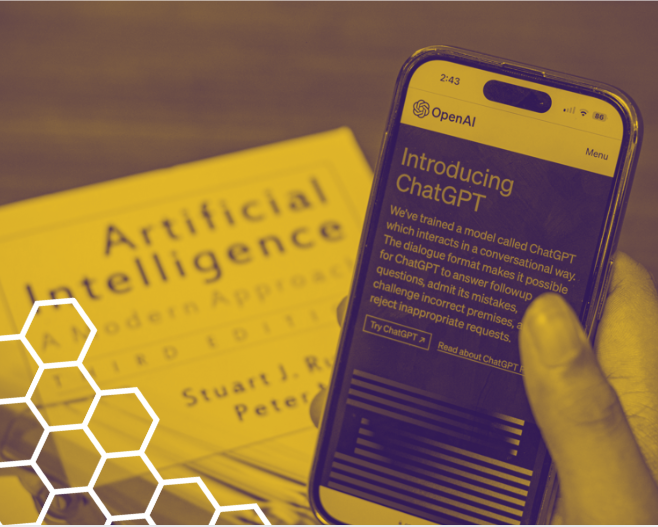
You may have noticed that your customers are starting to search differently online.
Search is no longer just about typing keywords into Google. Today, people are becoming skilled at asking full questions in tools like ChatGPT, Gemini, and Perplexity. And we now expect clear, conversational answers in return. Almost like going to a trusted confidante for advice.
What’s happening now is a rapid evolution. What started out as solely using SEO (Search Engine Optimization) tactics is now evolving to include AEO (Answer Engine Optimization), AIO (AI Optimization), and GEO (Generative Engine Optimization).
If you run a small business and aren’t a marketing expert, this might seem intimidating. There’s too many new acronyms to learn!
But this shift in the way people search isn’t scary, nor is it something to ignore. Think of it as an opportunity to expand how you promote your business. Read on as I break down what AEO, AIO, and GEO mean, and how you can use these strategies to your full advantage.
The Evolution: From Search Engines to Answer Engines
Traditional SEO has always focused on the goal of getting your website to rank on search engine results pages. That meant optimizing for keywords, building backlinks, and making sure your site checked all the technical boxes. We have discussed many of these things in prior blog posts in fact.
But, as with many aspects of our current word, AI-powered tools are changing things rapidly. Instead of presenting users with a list of links, these platforms generate direct answers, as if you were having conversations with a human. They summarize, recommend, and actually decide which sources are worth citing.
In other words, your goal is no longer just to rank, but be referenced by AI tools.
So, What Are AIO, AEO, and GEO?
AIO (AI Optimization)
AIO is about making sure AI understands your business. Think of it as teaching AI who you are, what you do, and why it matters.
That means:
Creating clear, well-structured website content
Using consistent messaging across platforms (your website, social media profiles, etc.)
The goal? When AI scans the web, your brand is easy for it to interpret and trust. Much the same way you want it to appear to your customers.
GEO (Generative Engine Optimization)
GEO is the next step: getting your content used in AI-generated answers. It’s not just about being visible, but more about being cited as a credible resource.
That means:
Writing in-depth, helpful content
Answering real customer questions clearly
Building authority and authenticity in your niche
If AIO helps AI understand you, GEO helps AI choose you.
AEO (Answer Engine Optimization)
Closely related to GEO, AEO focuses specifically on structuring your content to directly answer questions.
Think:
FAQ sections
Blog posts that clearly solve problems
Simple, conversational explanations
This is what helps your content show up when someone asks, “What’s the best option for…?”
Is SEO Dead? Absolutely Not.
The good news is that SEO isn’t going anywhere. In fact, it’s more important than ever. The difference is that SEO is now the foundation, not the finish line.
The same practices you’ve been told to follow still matter:
High-quality content
Strong website structure
Local optimization
Backlinks and credibility
But now, they need to work alongside AIO, AEO, and GEO.
What This Means for Small Businesses
If you’re a small business owner, this shift might sound daunting, but it actually levels the playing field. Because AI tools don’t just prioritize big brands, but instead prioritize helpful, trustworthy content.
That means a well-written blog post from a local business can absolutely be featured in an AI-generated answer as long as it’s relevant and valuable.
How to Start Showing Up in AI Tools
You don’t need to completely overhaul your marketing or SEO strategy to get started. Instead, focus on a few key shifts:
1. Answer Real Questions from your Customers
Think about what your customers are actually asking. Then create content that answers those questions clearly and directly.
For example:
“How much does [your service] cost?”
“What should I look for when choosing a [your product/industry] provider?”
If your content sounds like a helpful conversation or advice, you’re on the right track.
2. Provide High-Quality Content
Surface-level content won’t do. AI tools are looking for depth, clarity, and expertise. That means:
Write detailed blog posts
Provide step-by-step explanations
Use real examples and insights
The more useful your content is, the more likely it is to be referenced.
3. Build Trust and Credibilty
AI pulls from multiple sources, so it’s important to make sure your business information is:
Consistent across directories
Supported by reviews and testimonials
Active on relevant platforms
Trust isn’t just about ranking anymore, but about selection.
4. Structure Your Content for Clarity
Use headings, bullet points, and clear sections. AI tools favour content that’s easy to navigate, scan and understand.
If your website is organized and easy to read, your chances of being used as a source go up significantly.
Final Thoughts
For small businesses, this is a moment of opportunity, so don’t be intimidated!
The future of search is here. AEO, AIO, and GEO are simply about showing up for your customers in more meaningful ways.
If you’re not sure where to start, that’s exactly where we come in.
At BuzzMate Marketing, we help small businesses turn evolving search trends into real, practical strategies to help you stand out. From building content that AI understands to positioning your brand as a trusted source, our team is here to help you become the answer your customers are already searching for.
Ready to future-proof your online presence? Let’s chat!